Our Approach
Every Therapeutic journey is unique, and our practitioners work with each client to develop their individualised therapeutic goals and design their sessions to meet those needs.
At times, these therapeutic goals may involve building capacity in various functional areas, for others, there may be more specific mental health challenges that require assessment and treatment and some people are looking to recover from trauma.
Our Therapists are trained and skilled in a range of Therapeutic models and will adapt their approach to meet each client’s individual needs.
We each hold professional registration and are committed to delivering evidence-based practices alongside flexible and creative supports.
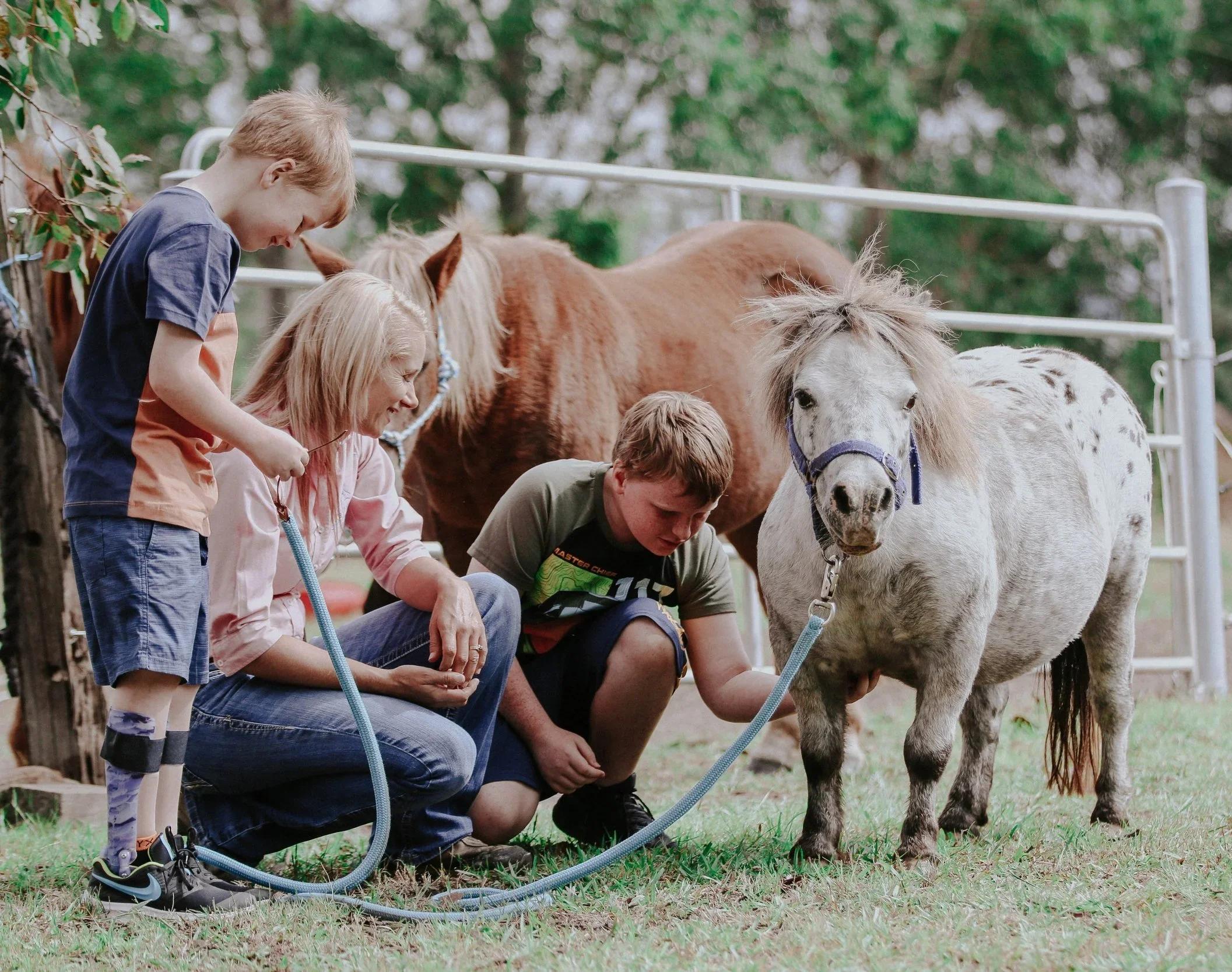
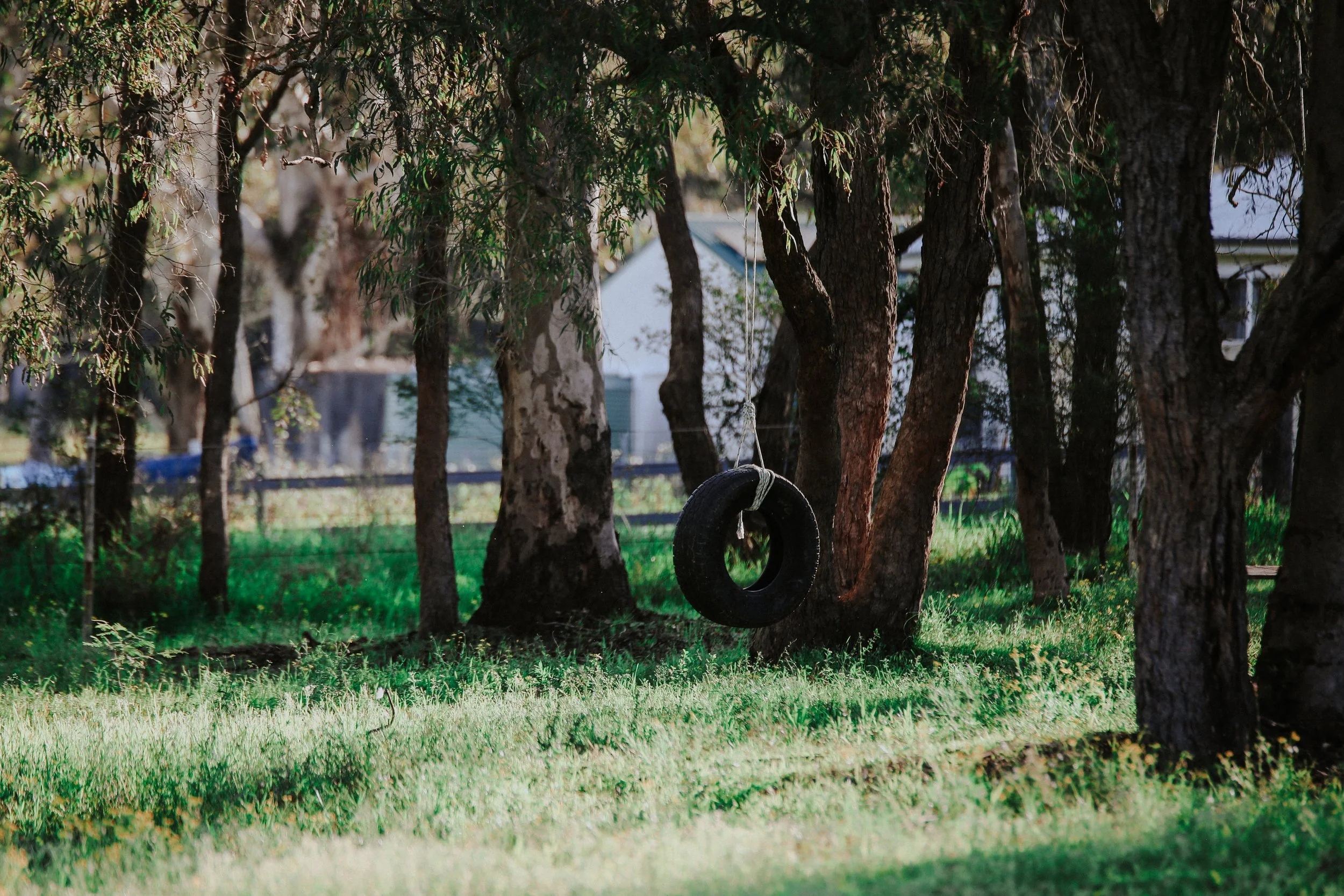
Our practice is located on a beautiful rural property that offers a variety of spaces for sessions, both indoors and out, amongst nature and alongside animals
Diversity and Inclusion
At HVCT, we are committed to providing care that is inclusive, respectful, and affirming for all.
Our practice is neurodiversity-affirming, gender-affirming, culturally sensitive, and grounded in accessibility, ensuring our space welcomes and accommodates all types of bodies.
We deeply respect lived experience and honour each individual’s unique journey, recognising these perspectives as vital sources of insight and strength.
We welcome children, young people, families, and community members from all backgrounds and identities, and strive to create a safe, empowering environment where everyone can access the care they deserve.
WHY IS BEING IN NATURE SO GOOD FOR US?
The following theories underpin the approach of offering time in nature as an agent of change
The Biophilia theory leads us to understand how humans possess an innate tendency to seek connection with nature and other forms of life, which has been inherited from our ancestors over multiple generations (Wilson, 1986). Biophilia is a felt or perceived sense of love and passion for life and all that is alive (Fromm, 1973).
Stress Reduction - Spending time in nature triggers a physiological response that lowers stress levels. (Ulrich, 1983). “This theory also states that looking at scenery containing natural elements like greenery or water creates positive emotions and feelings like interest, pleasure and calm and has a positive effect, easing our state of alert following a stressful situation.” (Sok-Paupardin, 2019)
Attention Restoration Theory – being in nature is not only pleasant but also replenishes cognitive resources, restoring the ability to concentrate and pay attention. (Kaplan, 1985)
Rewilding (founded in the wilderness conservation movement) - Conservationist Dave Foreman (1992) focused on restoring sustainable biodiversity and ecosystem health. This has been adopted by some in the field of Nature Based Therapies as foundational in their approach to reconnecting with nature and our ‘wild’ selves.

Art Therapy *
Art Therapy *
Art therapy allows individuals to express emotions, thoughts, and experiences that may be difficult to verbalise. The creative process itself can be therapeutic.
A qualified art therapist facilitates the process, offering guidance and support while interpreting the artwork in collaboration with the client.
Through art-making, clients can explore their feelings, reconcile emotional conflicts, develop self-awareness, and manage behaviour and addictions.
Art can communicate aspects of experience that words cannot, making it particularly effective for individuals who struggle with verbal communication or who have experienced trauma.
Engaging in art can promote relaxation, reduce stress, and increase self-esteem. It can also help integrate emotional, cognitive, and sensory experiences.
WhaT IS Equine Assisted Psychotherapy?
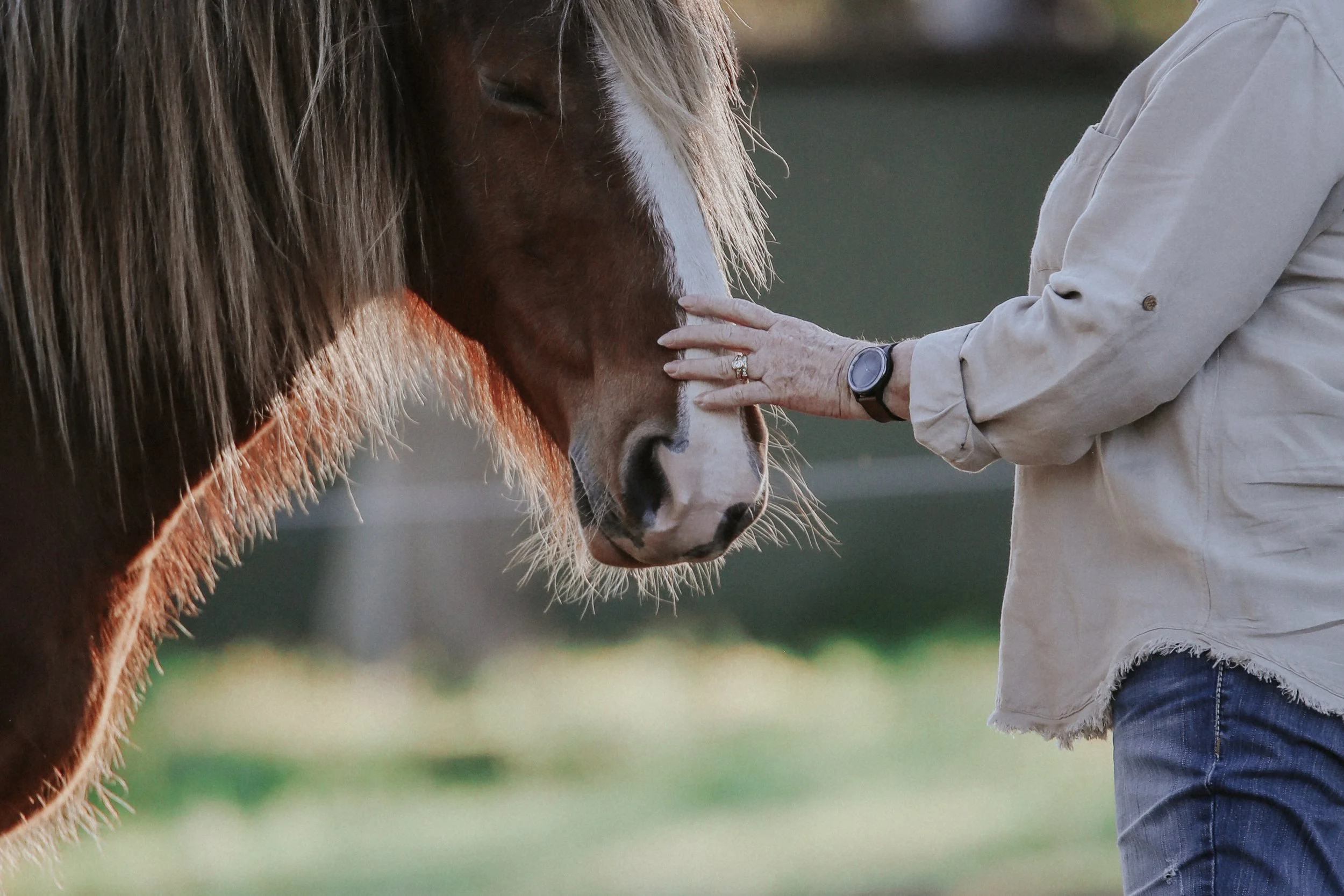
Equine Assisted Psychotherapy (EAP) is offered by a qualified mental health practitioner where participants are offered safe experiences with horses for the purpose of addressing psychological challenges and developing new skills to achieve wellness.
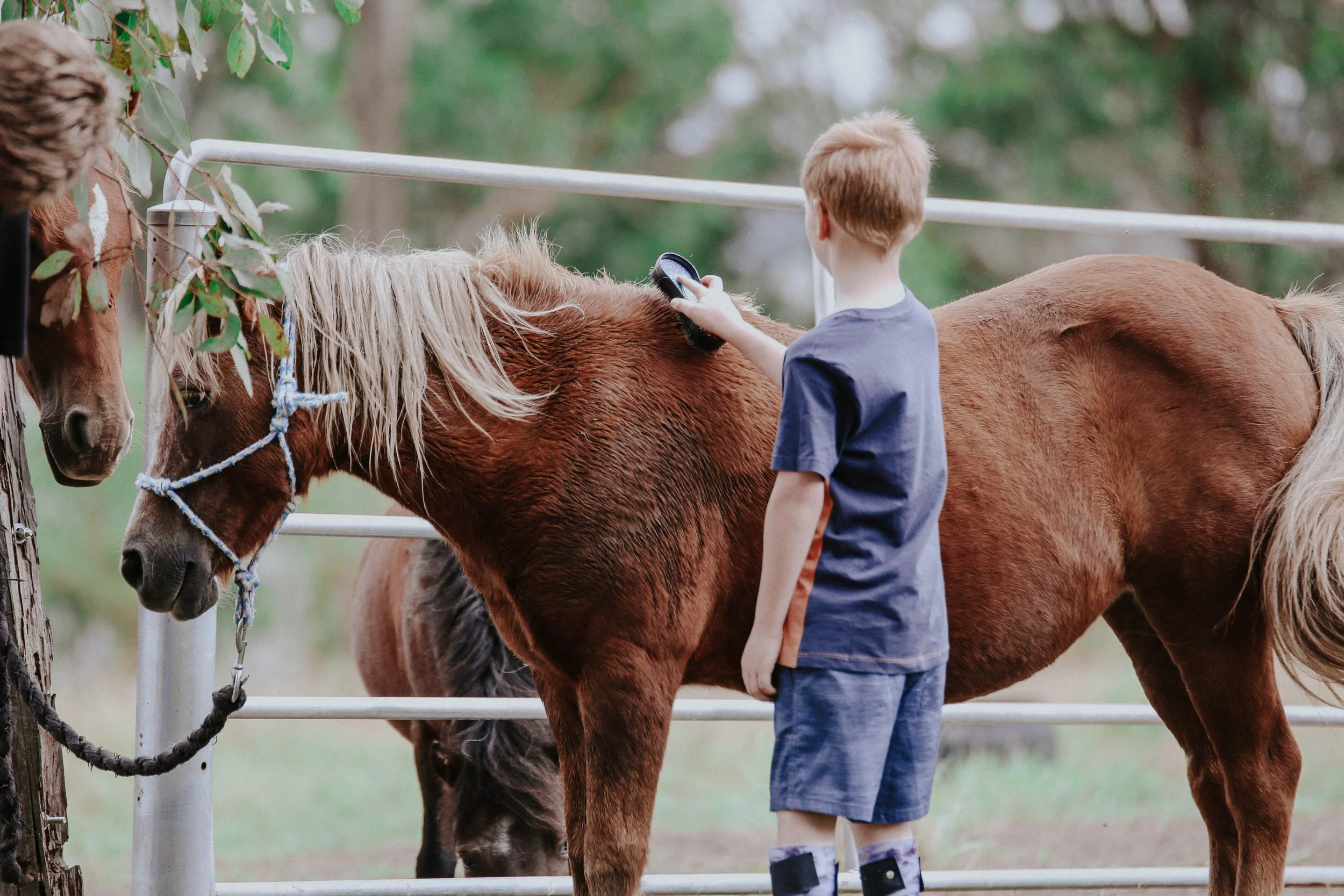
The purpose of EAP sessions is to develop and deepen the participant’s awareness of their thinking processes, behaviours and emotional responses in a collaborative therapeutic relationship so they are able to develop more personal awareness and have greater power over the choices they make in their lives. This work is based on ‘exploring’ and ‘experiencing’ while in a safe relationship.
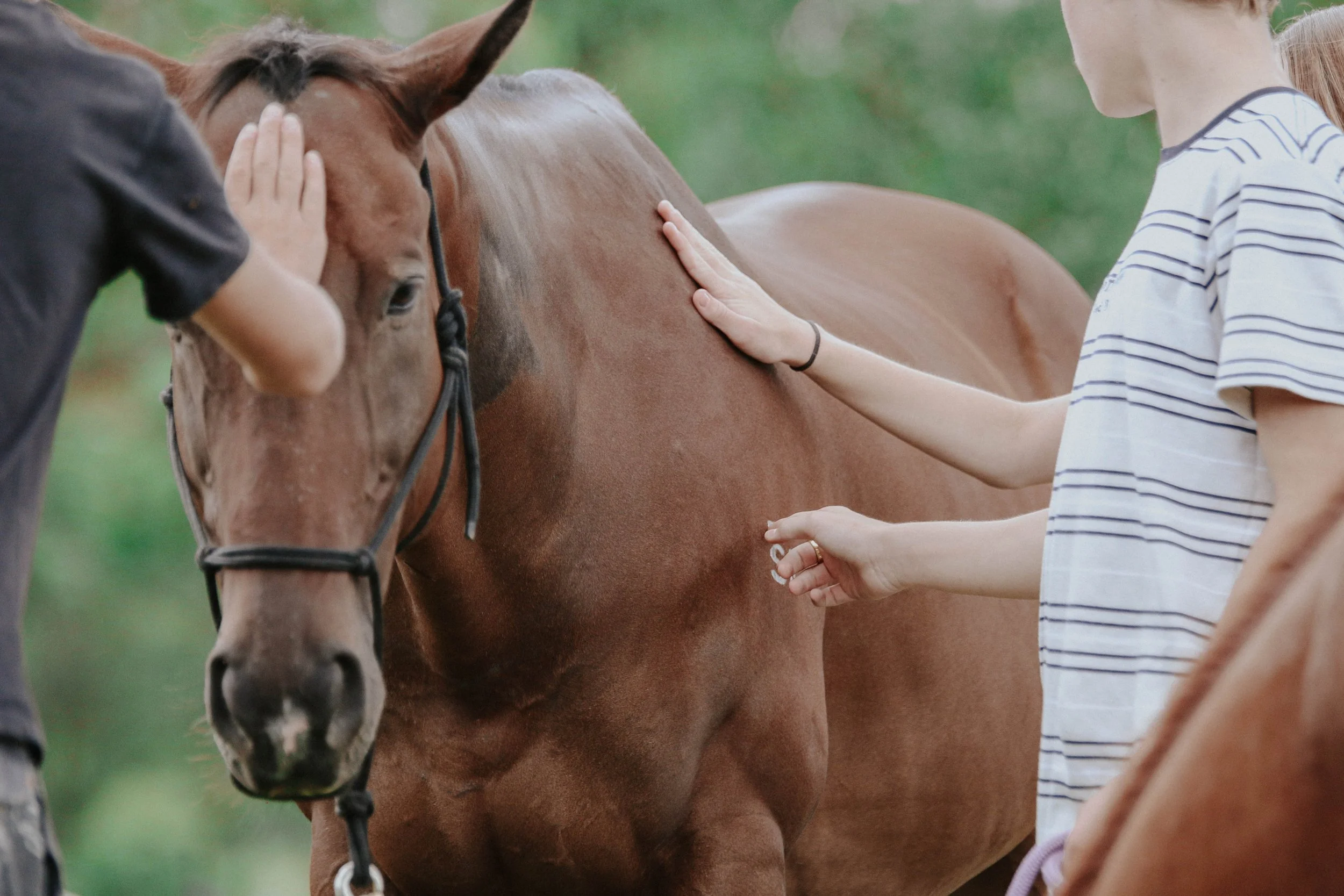
EAP at HVCT is underpinned with evidence-based practice, we take a trauma-sensitive approach and offer nature-based, experiential learning opportunities.